Home › Road, Street, and Municipal Paving
Our road paving services in Plano, TX support subdivisions, private communities, and municipal projects that need reliable asphalt streets. We handle new road construction, widening, and resurfacing with proper grading, compaction, and traffic control. With experience on public and private projects, we deliver smooth, long lasting asphalt roads that meet specifications.
Precision Asphalt Plano provides professional road paving throughout Plano, TX, Texas and the surrounding area. Our licensed, insured crew delivers safe, clean, on-time work with a free estimate before anything begins. Call (469) 609-1491 or request your free quote.
Road, Street, and Municipal Paving in Plano, TX
Road paving in Plano is not just about putting down new asphalt. It is about building a surface that can handle Texas heat, sudden storms, and constant traffic from neighborhoods, schools, and growing commercial areas. At Precision Asphalt Plano, we focus specifically on how streets and municipal roads in Collin County behave over time, so the design and material choices match real local conditions.
We regularly work on residential streets in established Plano neighborhoods, newer subdivision roads near the outskirts, and connector streets serving offices, retail centers, and schools. Each type of roadway needs a different approach. A quiet cul-de-sac near Parker Road needs less structural depth and more attention to drainage and driveway tie-ins. A collector road near US‑75 needs a thicker asphalt section, stronger base, and tighter traffic control so businesses can stay open during work.
From the first visit, we look at more than the surface. We check soil conditions, existing base materials, curb and gutter alignment, and how water leaves the pavement during heavy summer storms. That information shapes the plan so you are not just resurfacing a problem but actually correcting it. When you hire Precision Asphalt Plano, you get a team that plans for how the road should perform 5, 10, or 15 years from now, not just how it looks the day we finish.
How Our Road Paving Process Works in Collin County
A successful street or municipal paving project in Plano follows a clear, step-by-step process. We start with evaluation and surveying. Our crew walks and drives the road, marks visible failures like alligator cracking or rutting at intersections, and notes drainage issues at inlets and low spots. For heavier traffic streets, we may recommend core samples to see what is under the existing asphalt and how thick the structure is.
Next comes project design and preparation. We determine if the road needs full-depth reconstruction, milling and overlay, or a combination. For older Plano subdivisions built in the 1970s and 1980s, we often see thin asphalt over a mixed-quality base. In those cases, we schedule deeper repairs in the worst sections and a milled overlay in areas that are still structurally sound. We clear the project limits, set traffic control devices, and coordinate staging with the city or property managers so access is maintained.
Surface removal follows. For overlays, we use a milling machine to remove a controlled thickness of old asphalt, usually 1 to 3 inches, which preserves curb reveal and manhole heights. In failed sections we cut out full-depth panels, remove weak base material, and replace it with compacted crushed stone base. Compaction is verified with plate or roller tests so the new pavement has a solid foundation.
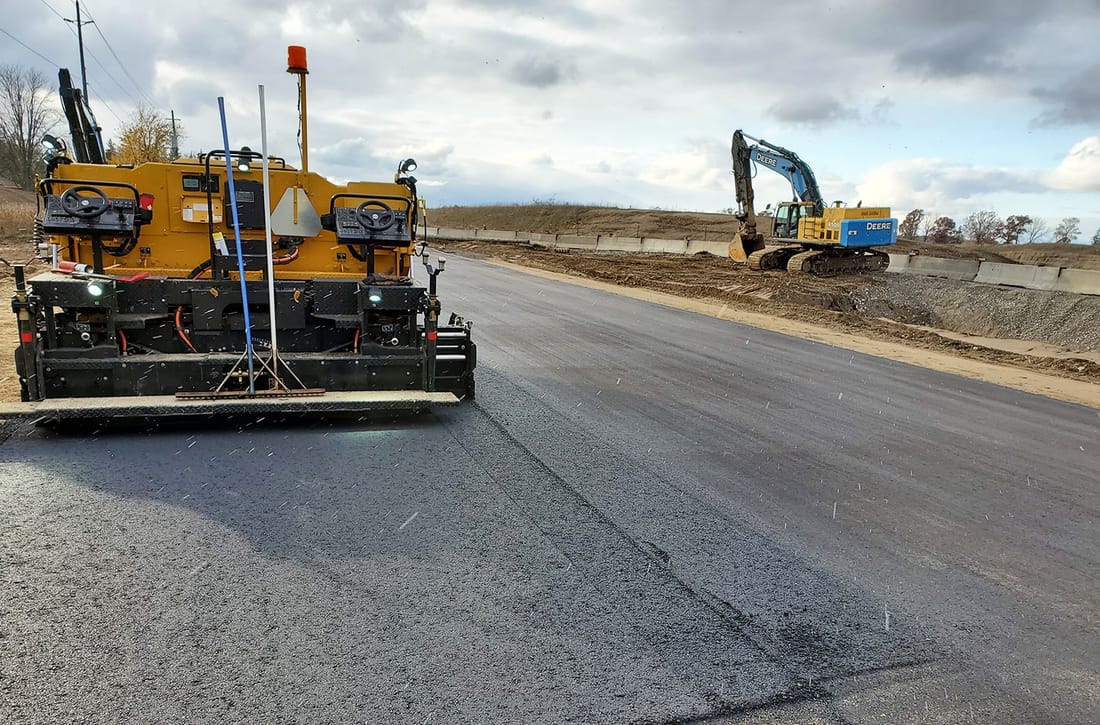
We then apply a tack coat, a light spray of asphalt emulsion that ensures a strong bond between the existing surface and the new lift of hot mix. After that, we place and compact the new asphalt using pavers and steel drum rollers. The number of lifts and total thickness depend on traffic loading and design; a residential street may get a single 2 inch surface course, while a busier connector could receive multiple lifts totaling 3 to 5 inches.
Finally, we handle finishing work: adjusting manholes and valve boxes to grade, replacing or tying into existing concrete, cleaning the site, and installing pavement markings. For municipal work, we follow the City of Plano and Texas Department of Transportation (TxDOT) standards for line widths, reflectivity, and layout so the road is safe and compliant.
Material Choices and Design Options for Plano Roads
The hot, often dry Plano climate with occasional heavy rainstorms influences what mix designs work best. At Precision Asphalt Plano, we commonly use dense graded hot mix asphalt designed for North Texas, with the right balance of stiffness to resist rutting in summer heat and enough flexibility to handle minor base movement.
Residential streets and low-speed municipal roads often get a fine-graded surface that provides a smoother, quieter ride for cars and bicycles. For collector streets and areas with frequent truck traffic, we recommend mixes with a slightly coarser aggregate and higher performance grade asphalt binder to resist shoving at intersections and stop signs. Near schools and busy crossings, we can adjust aggregate selection to improve skid resistance, especially in wet weather.
We also look at the pavement section as a whole, not just the asphalt. In parts of Plano with expansive clay soils, a stronger base layer or additional lime treatment may be recommended. This controls differential movement that can create reflective cracking. On older roads that already have several overlays, we may propose milling deeper or performing selective reconstruction to reset elevations and improve long-term stability.
Municipal and HOA clients sometimes ask about phasing and surface options that reduce disruption. Where budgets are tight, we can design a multi-year plan that handles structural problems first, such as base repairs and critical intersections, then adds a uniform overlay in a later phase. For certain low-volume roads or alleys, we may suggest alternatives like a thinner asphalt wearing course over a recycled base, which recycles existing material and lowers cost while still extending pavement life.
All mix designs we use are lab tested and meet applicable TxDOT and local specifications. Before paving, we confirm plant production temperatures, haul times, and compaction requirements so the mix is still workable and bonds correctly by the time it reaches your project in Plano.
What Drives the Cost of Road Paving in Plano
Road paving costs in Plano vary widely, and understanding the main cost drivers helps you budget and compare proposals fairly. At Precision Asphalt Plano, we explain these factors up front so there are fewer surprises.
The first driver is existing condition. A street that only needs a 2 inch mill and overlay will be significantly less expensive than one that requires full-depth reclamation or complete reconstruction. Severe alligator cracking, potholes that reappear after patching, or visible base pumping during rains are signs that more intensive work is needed.
Project size and layout also matter. Long, continuous stretches of roadway are more efficient for our paving crews and equipment, which reduces cost per square yard. Short blocks, many driveways, sharp curves, and cul-de-sacs require more handwork and careful joint placement, which adds to labor time. In neighborhoods near major corridors like Preston Road or Coit Road, traffic control, detours, and scheduling can influence pricing too.
Material thickness and type are another big factor. A thicker asphalt section or an upgraded performance mix costs more initially but often pays off in reduced maintenance over 10 to 20 years. For municipal clients, we frequently provide side-by-side life cycle comparisons so decision makers can see the long-term impact of choosing a thinner versus thicker design.
Access and staging can affect both cost and schedule. Roads that must remain partially open, such as those serving medical offices or schools, require additional flaggers, signage, and more careful phasing. Night or weekend work, sometimes needed on busy connectors, can add labor premiums but may be worthwhile to minimize disruption.
Finally, compliance items like ADA ramp upgrades, drainage modifications, or utility adjustments can influence total project cost. On city and municipal projects, we coordinate with utility owners and inspectors early, which reduces change orders and helps keep the project on budget.
Common Road Problems in Plano and How We Fix Them
Plano roads face a combination of heavy commuter traffic, delivery trucks, and climate extremes. That mix tends to produce several recurring pavement problems that we address routinely at Precision Asphalt Plano.
Alligator cracking often appears in older subdivision streets and side roads that have thin asphalt over a weak or moisture sensitive base. Simply overlaying these areas almost always leads to the cracks reflecting through the new surface. Our approach is to identify the worst cracked panels, cut them out, rebuild the base with properly compacted aggregate, and then tie those repairs into an overlay. This method repairs structural weaknesses instead of just hiding them.
Rutting and shoving at intersections and stop bars are another common issue, especially near busy crossings and commercial drive entrances. These occur when softer asphalt or inadequate thickness combines with heavy braking or turning movements. In these locations we may recommend a stiffer surface mix or an extra lift of asphalt through the intersection to spread the load and resist deformation.
Drainage-related damage is frequent in low spots, near inlets, and where curbs have settled. Standing water on pavement accelerates surface raveling and pothole formation. When we plan a road paving project, we look closely at cross slopes, gutter flow lines, and inlet locations. Corrective measures may include milling to restore proper slope, adjusting inlets, or adding localized base repair to eliminate depressions.
For municipal clients, we also watch for utility-related distress such as settlement around manhole covers and valve boxes. Before paving, we mark and inspect these structures. After milling and before final paving, we reset or shim structures so they align with the finished surface. This prevents hard bumps and edge cracking around utility frames that can otherwise shorten pavement life.
Planning, Permits, and What to Expect When You Hire Us
Road paving in Plano involves more than the work in the street. There are schedules, notifications, and approvals that must be managed so the project goes smoothly. Precision Asphalt Plano helps coordinate these details, especially for HOAs, private street owners, and municipal departments.
For city or public projects, we follow Plano and TxDOT requirements for traffic control plans, inspections, and testing. This can include submitting mix designs, density test reports, and daily work logs. We are familiar with local standards, so we can anticipate what inspectors will look for and address potential issues before they delay the job.
If you are an HOA board member or property manager responsible for private streets, we assist with communication to residents. That might include project maps, recommended parking areas during work, and a schedule that considers school hours and trash collection days. Clear communication reduces frustration and helps keep traffic out of fresh asphalt while it cools and hardens.
Before work begins, we provide a detailed scope that covers milling or demolition limits, base repair quantities, asphalt thickness, and stripping or signage. During construction, a site supervisor is available to answer questions, adjust phasing when emergencies come up, and coordinate with emergency services or school buses if needed.
After paving, we walk the project with you or your representative, address punch list items, and provide maintenance guidance. Simple practices like keeping heavy trucks off the surface for the first 24 hours and avoiding sharp turning of stationary wheels can help protect the new pavement. We also discuss long-term upkeep, such as when to consider crack sealing or surface treatments, so you can plan future budgets with realistic information.