Home › Asphalt Pathways, Sidewalks, and Trails
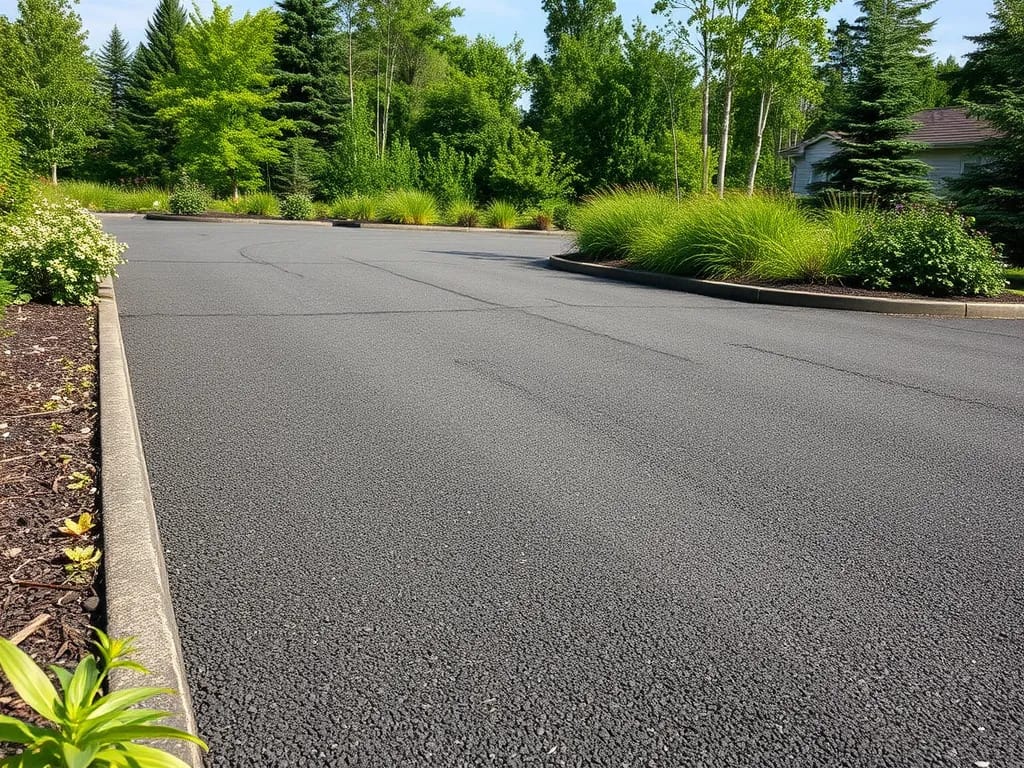
We install asphalt pathways in Plano, TX for parks, schools, business campuses, and communities that need safe, accessible routes. Our team designs and paves sidewalks, bike paths, and multi use trails with gentle slopes and smooth surfaces. Asphalt provides a comfortable, low maintenance option for pedestrians, strollers, and cyclists.
Precision Asphalt Plano provides professional asphalt pathway paving throughout Plano, TX, Texas and the surrounding area. Our licensed, insured crew delivers safe, clean, on-time work with a free estimate before anything begins. Call (469) 609-1491 or request your free quote.
Asphalt Pathways, Sidewalks, and Trails in Plano, TX
Neighborhood paths, school walkways, and park trails need to stand up to Texas heat, sudden storms, and everyday foot traffic. Precision Asphalt Plano focuses specifically on asphalt pathway paving for Plano properties, so your walking areas stay smooth, safe, and attractive for years.
We build new asphalt paths and trails, widen or reroute existing walkways, and replace cracked or heaved concrete with flexible asphalt surfaces. Our crews work in residential neighborhoods, HOA common areas, city parks, church campuses, business parks, and along greenbelt corridors throughout Plano.
Because we live and work here, we know how Plano clay soils move, how summer temperatures affect asphalt mixes, and how heavy stormwater can run across trails along creeks. That local experience shapes everything from our base preparation to our drainage details, so your pathways do not break apart after the first season.
Planning and Design for Durable Asphalt Pathways
A long lasting asphalt path starts with a clear plan. When you call Precision Asphalt Plano, we begin with an on site walk of the route. We look for tree roots, low spots that hold water, steep slopes, and areas where people already cut across the grass. That helps us suggest a path alignment that feels natural and avoids future problems.
We discuss how the pathway will be used. A school or church walkway that sees daily stroller and wheelchair use may need a different width and smoother transitions than a light use trail behind a small office. Jogging and bike routes usually benefit from wider lanes and gentler curves, while garden or courtyard paths can be narrower and more decorative.
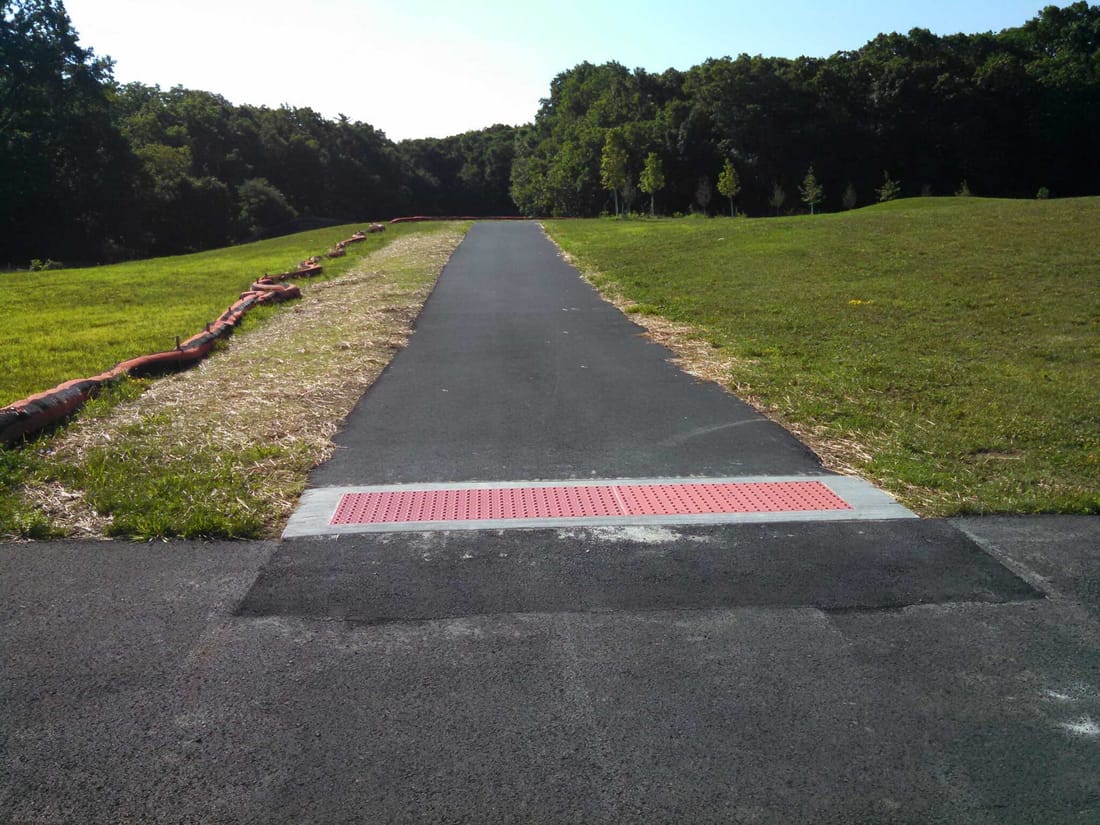
During planning we also talk about surface appearance and edging. Many Plano HOAs like a dark, clean asphalt surface with crisp edges, sometimes with a decorative concrete or metal edge along planting beds. In park style settings, we might let the asphalt meet turf directly, or add compacted decomposed granite shoulders for a more natural look. We can also integrate ramps at street crossings that meet ADA accessibility expectations, which is critical around schools, campuses, and medical offices.
How We Build Asphalt Sidewalks and Trails Step by Step
Our asphalt pathway paving process is tailored to the tight spaces and curves typical of sidewalks and trails in Plano.
First, we mark utilities and stake the route. We coordinate with Texas 811 and any private utility maps you may have. This helps avoid irrigation and low voltage lines that are common in neighborhood greenbelts and office landscapes.
Next, we clear and grade the path corridor. For new paths, we strip sod or ground cover and cut or fill soil to create a consistent slope for drainage. For replacements, we remove damaged concrete or asphalt and haul it off for recycling.
Then we build the base. In Plano, this usually means 4 to 6 inches of compacted crushed stone or flex base for pedestrian paths, and 6 inches or more where light maintenance vehicles may drive. We compact in thin lifts with plate compactors and small rollers. On clayey or soft soils we may undercut and install a thicker base or geotextile fabric to prevent future settlement.
After the base is proven solid and shaped correctly, we install forms or edge restraints where needed, then place hot mix asphalt using a small paver or hand placing for narrow or winding areas. Typical thickness for a sidewalk or trail is 2 to 3 inches compacted, with adjustments made for heavier use zones like entrances or maintenance access points.
Finally, we compact the asphalt with a roller sized for the job, paying special attention to joints and edges so they do not unravel. We cut clean tie ins where the new path meets existing sidewalks, curbs, or parking lots, and we handle all necessary patching so there are no abrupt bumps.
Material Options and Finishes for Asphalt Walkways
Asphalt pathways can be customized more than most people realize. For most Plano projects, Precision Asphalt Plano recommends a dense graded hot mix asphalt that balances smoothness with skid resistance. This is ideal for walkers, runners, wheelchairs, and bicycles.
Where slightly more texture is desired, such as near water features or shaded creek crossings that may stay damp, we can adjust the aggregate size in the mix to provide additional grip. For high visibility campuses or corporate settings, we can plan for colored seal coats later to add contrast, highlight crossings, or mark lanes.
We also talk through joint details and edges. A clean saw cut into existing concrete with a slight overlap patch in asphalt helps reduce trip risks at transitions. In turf areas, we compact the edges firmly and may recommend a narrow concrete or metal edge if you want to keep grass from creeping into the path.
Lighting conduits, irrigation sleeves, and drainage pipes can be placed before paving so you do not have to cut the path later. We coordinate with your landscaper or irrigation contractor to preserve trees and plantings, and we can suggest root barrier placement around large oaks or elms that often cause upheaval in Plano sidewalks.
What Affects Cost and Timeline for Asphalt Pathway Paving
Homeowners associations, property managers, and facility directors in Plano often ask why different pathway projects have very different costs. The main drivers are site access, base conditions, pathway width and thickness, and how much demolition is required.
Access is a big factor in older neighborhoods and established parks. If our crews can reach the site with small machines and asphalt trucks, production is faster and costs stay lower. If the path runs behind houses or along narrow greenbelts with limited entry points, we may need to shuttle materials with smaller equipment, which adds time.
Existing soil and base conditions matter as well. If your current trail is wavy and holds water, we may need to rebuild the base, install drains, or undercut soft areas. That adds cost but also prevents repeating the same failure. Route length, curves, and changes in elevation also influence pricing, since more handwork and fine grading can be required.
Timeline in Plano is heavily tied to weather. Spring and fall are usually the best times for pathway and sidewalk paving because temperatures allow proper compaction and the risk of extreme heat or sudden freezes is lower. In summer, we schedule early morning or evening work where possible so asphalt does not cool too fast or stay too soft. We will walk you through schedule options, including phasing for schools or parks that must remain partially open.
Common Problems With Paths in Plano and How We Prevent Them
Plano pathways face several recurring issues: cracking from movement in underlying clay soils, root uplift from mature trees, and water standing on or beside the pavement after heavy rains. Precision Asphalt Plano designs each project to reduce these risks as much as possible.
For movement in clay soils, we focus on a thicker, well compacted base and consistent slopes that move water off the path quickly. We avoid creating flat spots that look nice on paper but trap water in reality. Where settlement has already occurred, we remove unstable material instead of just overlaying on top.
Tree roots can be especially tough along creeks and older neighborhoods east of US 75. Before paving, we identify significant root zones and discuss options, such as adjusting the path alignment a few feet, installing root barriers, or choosing a slightly thinner but more flexible asphalt section in those zones. This can allow the pavement to move slightly rather than pop up in slabs as concrete often does.
Drainage is addressed with cross slopes, shallow swales, or small area drains. If we see water coming from adjacent properties or hillsides, we plan for that in the grading. In shaded areas that stay damp, we may suggest surface textures and maintenance practices that reduce slippery algae build up. Our goal is not just a path that looks finished on day one, but one that remains functional and safe through years of Plano weather.
Working With Precision Asphalt Plano on Your Project
When you choose Precision Asphalt Plano for asphalt pathway paving, you work with a local crew that understands both construction details and how people actually use walkways in this community.
We start with a site visit and a straightforward proposal that lays out the route, base thickness, asphalt thickness, and any drainage or edge details. If your project serves a board or committee, such as an HOA or school, we can provide simple sketches and explanations that help non technical decision makers understand the options.
During construction, we communicate daily about access, noise, and any temporary closures. For schools and churches, we often schedule the noisiest or highest impact work outside of peak times. For apartment communities and business parks, we phase work so residents and employees always have a safe alternate route.
After completion, we explain basic care, such as when to allow foot or light vehicle traffic, how to handle landscape edging and irrigation near the path, and when to consider a protective seal coat. If you are planning multiple sections over several years, we can help you prioritize which stretches of sidewalk or trail to address first based on safety and condition, so your budget has the greatest impact.