Home › Commercial Gravel-to-Asphalt Conversions
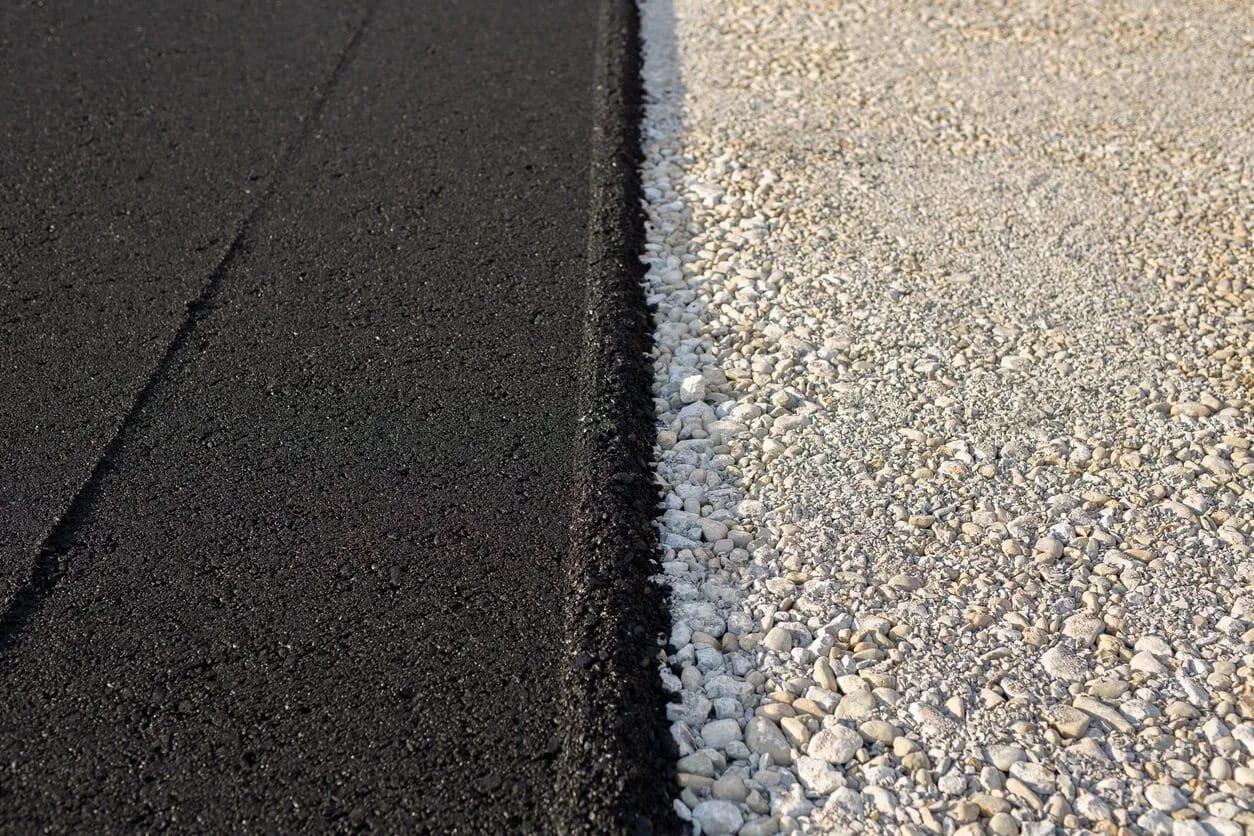
Our commercial gravel to asphalt conversions in Plano, TX upgrade rough lots into clean, professional parking and drive areas. We regrade and compact existing stone, enhance the base if needed, then pave with hot mix asphalt. Once striped, your new surface reduces dust, mud, and maintenance while improving customer experience and property value.
Precision Asphalt Plano provides professional commercial gravel to asphalt throughout Plano, TX, Texas and the surrounding area. Our licensed, insured crew delivers safe, clean, on-time work with a free estimate before anything begins. Call (469) 609-1491 or request your free quote.
Turn Your Gravel Lot Into a Durable Asphalt Surface
If you are running a business on a gravel parking lot or drive in Plano, you are already paying for it in lost time, dust, and constant regrading. Precision Asphalt Plano specializes in commercial gravel to asphalt conversions for properties that need a cleaner, more professional surface that can handle Texas heat and heavy use.
Most commercial conversions we handle are for shopping centers, churches, medical offices, warehouses, and small industrial yards. Typical goals are clearer traffic flow, better drainage, less mud, and meeting lender or insurance requirements. We start every project with a site walk and a straightforward conversation about what you are trying to fix: rutting under delivery trucks, standing water near entrances, loose rock being tracked into buildings, or ADA and fire lane issues.
During the initial visit, we measure the lot, check drainage slopes, look at the type and depth of existing gravel, and locate utilities and problem spots. Plano soils can shift, especially where fill dirt was used, so we pay attention to soft areas that will need undercutting or stabilization. We then prepare a written plan that outlines pavement thickness, drainage work, striping layout, and approximate schedule so you know exactly what is involved before signing anything.
How a Commercial Gravel-to-Asphalt Conversion Actually Works
A good conversion is more than just paving over rock. The first step is shaping and compacting what you already have. We use motor graders and compactors to create the right slope for water to leave the parking area, usually at least 1 percent toward drains or swales. Any low spots that currently hold water are either filled and compacted or cut out and rebuilt.
Next, we decide how much of the existing gravel base can stay. If the rock is clean and has decent depth, we can often regrade it and add more base material where needed. In areas that pump under truck tires or feel spongy, we undercut the soft soil, install new base rock, and compact in thin lifts for strength. For loading docks or delivery lanes, we typically recommend a thicker base and asphalt section than we do for standard customer parking stalls.
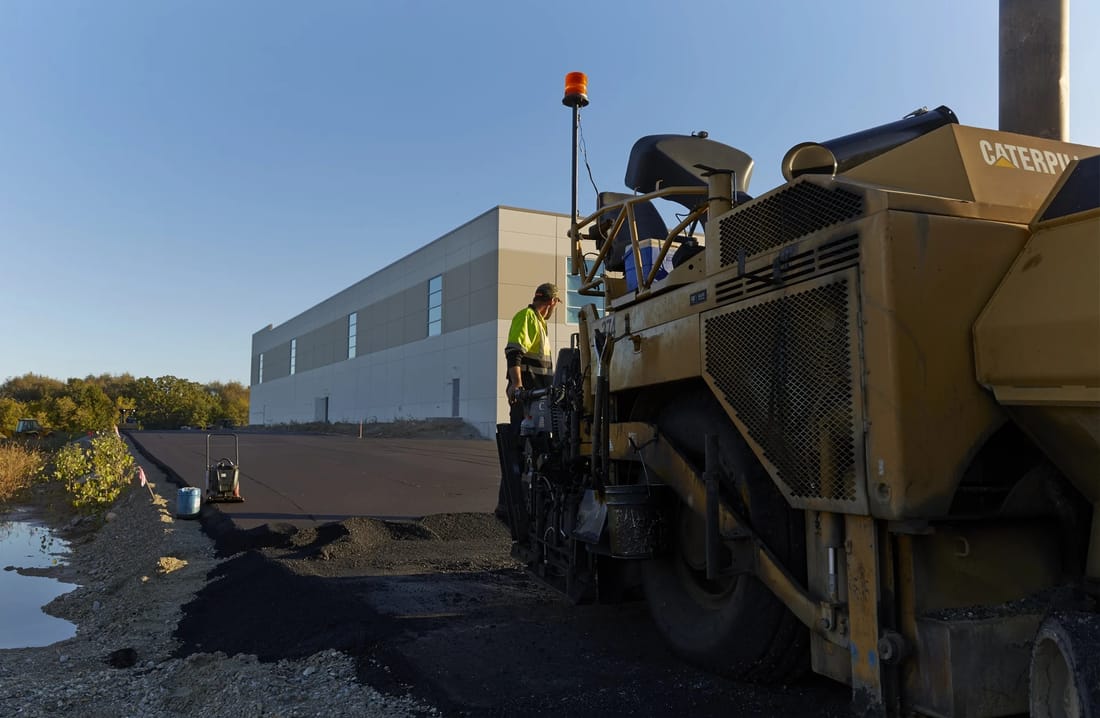
Once grades are set and the base is compacted, we tack coat the surface so the new asphalt bonds properly. Then we place hot mix asphalt in one or two lifts, depending on your traffic and budget. A light retail lot might use a 2 inch surface over 4 inches of base, while a trucking area might get 3 to 4 inches of asphalt with a heavier base. All edges are compacted tight against curbs or soil to prevent unraveling. Finally, we stripe the lot, install wheel stops if needed, and add signage so you can open the area quickly without confusion for customers and delivery drivers.
Design Choices, Material Options, and What Affects Cost
Commercial gravel to asphalt projects in Plano are rarely one size fits all. Design starts with traffic. If you have garbage trucks and 18 wheelers, we specify a different asphalt mix and thickness than for a small office building. Heavy truck routes, dumpster pads, and drive lanes are often built with thicker asphalt or even reinforced with additional base to prevent rutting.
We also look at how water moves across your property. If your current gravel lot already has washouts or standing water, we plan for additional drains, valley gutters, or regrading to stop that. Poor drainage is one of the biggest causes of early pavement failure in North Texas, so fixing that up front is usually cheaper than patching a failing lot later.
Cost is driven by square footage, how much base work is needed, asphalt thickness, and any add ons like concrete approaches, ADA ramps, or extra striping. A flat lot with good gravel and light car traffic will be less expensive per square foot than a sloped property that needs underdrains and truck rated pavement. Precision Asphalt Plano breaks out these items clearly so you can see where your money is going and where there might be options, such as phasing the work or upgrading only the heaviest use areas now and doing the rest later.
Local Codes, ADA, and Practical Issues for Plano Commercial Properties
In Plano and the broader Collin County area, commercial gravel to asphalt conversions often trigger review for drainage, fire lane access, and ADA parking. For most small to mid sized projects that stay within the existing footprint and do not change drainage patterns, permitting is straightforward, but you still need to meet current striping and accessibility standards.
We plan ADA spaces, access aisles, and ramp slopes in line with current code, not just what is already painted on your gravel or patched pavement. That includes making sure accessible routes from parking to entrances have proper slopes and surfaces. For fire lane requirements, we confirm widths, turning radii, and markings that Plano Fire Department expects. If your lender or insurance has specific requirements, such as full asphalt coverage instead of partial gravel, we can tailor the design to satisfy those conditions.
Operationally, a big concern for most businesses is staying open during construction. We often stage commercial gravel to asphalt projects in sections, keeping one entrance or parking area open while we work on another. This can involve temporary traffic control, clear signage, and after hours or weekend work for critical tie ins near main entries. We talk through these logistics up front so you are not surprised by access limitations once paving starts.
Common Problems With Gravel Lots and How We Address Them
Commercial gravel surfaces around Plano tend to suffer from the same problems: dust clouds in dry months, mud and ruts after storms, and ongoing rock loss from snow removal or daily traffic. Over time, heavy vehicles cut through the gravel and into the clay soils below, which leads to pumping water and deep potholes. Simply adding more rock rarely fixes it for long.
When we convert gravel to asphalt, we specifically target these problem areas. Soft spots are cut out and rebuilt with stable base material so they do not telegraph up through the new pavement. Where existing gravel is too thin or mixed with soil, we either reclaim and remix it with fresh base or remove and replace it to get a solid foundation. Edges that previously raveld away into ditches or grass are tied into curbs, stabilized shoulders, or concrete aprons to reduce edge breakdown.
Climate matters too. Plano heat and UV exposure can age asphalt faster if the mix and thickness are not right. We select mixes suited to North Texas temperatures and traffic, and we often recommend a sealcoat schedule for commercial lots after the first couple of years. Precision Asphalt Plano also talks through maintenance expectations: where to keep heavy dumpsters, how to control drainage overflow, and what to watch for so you can fix small issues, like early cracking or isolated rutting, before they become major capital problems.